
Shoppers Want to Trade In. Most Brands Aren't Asking.
By Stephen Wise, Director Global Marketing, Alchemy
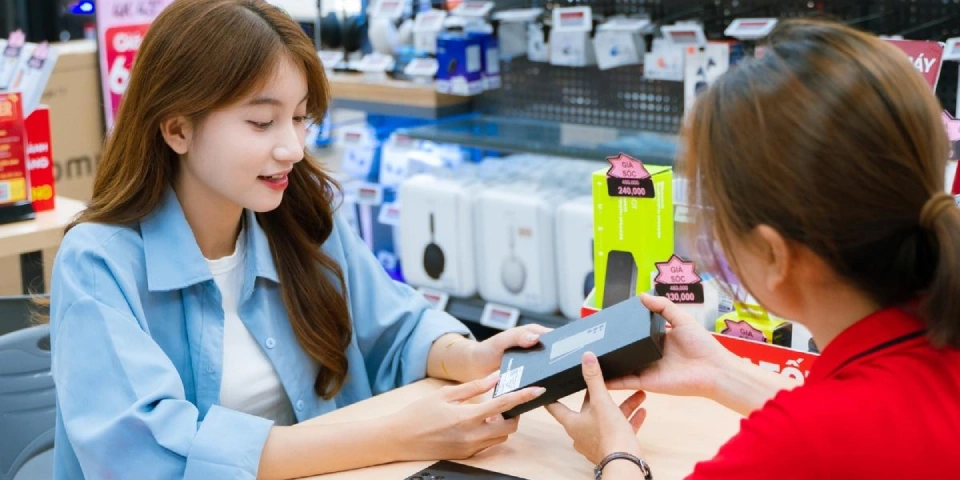
Consumers are aware of the availability of trade-in and are thinking about it for their used consumer electronics. The question is whether brands are offering it when it matters.
New research puts numbers on this. Alchemy commissioned research from FDM CCS Insight covering more than 11,000 consumers in the US, UK, Germany and Poland. In the US, 78% of shoppers think about trade-in, and 39% consider it even when they have no immediate plan to buy. Only half, though, were offered a trade-in at their last purchase. Demand is there; the offer often isn't.
74% of US consumers say a competitive trade-in value would push them toward a higher-end product.
— Stephen Wise, Director Global Marketing, Alchemy


Katelyn Daniell is an innovative leader in the digital and retail sectors. She’s co-founder of Precision Retail, an AI-powered survey tool for capturing zero-party data, and mplus, a tech stack solution for optimizing digital advertising.
Katelyn is passionate about building retailer-customer relationships through sustainable value exchanges and zero-party data. This venture is already making waves in the industry by enabling retailers to engage with their customers in more meaningful and impactful ways.
Since December 2021, Katelyn has also been the co-founder of mplus, where she has played a crucial role in the company's growth and success. Her leadership has been instrumental in establishing mplus as a key player in the digital adtech market.
Prior to her entrepreneurial endeavors, Katelyn served as the Chief Commercial Officer at MCap Group from August 2019 to July 2020. She has extensive experience at Dentsu Aegis Network where, over five and a half years, she held various positions, including Commercial Director, Digital Investment Manager, Digital Investment Supervisor, and Digital Strategist. Her responsibilities included managing revenue diversification, adopting new commercial models, overseeing media and ad tech supply-side management, and leading digital investment for major retail and CPG brands.
Brands that get trade-in right see upgrades brought forward, higher basket values, better repeat rates, and more devices coming back for refurbishment and resale, which helps their sustainability numbers too.
Trade-in has long been positioned as a sustainability gesture or a small discount off the next device. The commercial reality however, is larger than that. Among US consumers, 74% say a competitive trade-in value would push them toward a higher-end product than they had planned. 76% would upgrade sooner if their preferred brand's offer was strong enough, and 68% would be more likely to add accessories, warranties or other extras to the basket.
Asked what would make a premium purchase easier, consumers put a trade-in discount first at 37%, ahead of monthly payments (29%) and subscriptions (21%). Financing helps a customer afford the thing. Trade-in reframes the purchase: instead of handing money over, the customer feels they are getting some back.
That carries over into brand perception. 71% said a trade-in offer improves their view of a brand, with affordability the main reason. That makes trade-in a smarter alternative to discounting: it gives customers money off their next purchase without cutting the price, so it doesn’t erode the perceived value of the brand or train consumers to hold out for the next big sales event.
Trade-in moves the sale, not just the device
A program on paper isn't the same as a program that works
The research also shows where programs underperform. For 27% of US consumers, the value offered is the biggest factor in deciding whether to trade in. 22% want valuations shown more clearly, and 21% would engage if they simply knew their old device still had value.
Trust is the other half. 67% say a guaranteed price lock after an online quote would give them more confidence, and 64% want to return the device if the final valuation doesn't match the estimate.
Where the leaders pull ahead
A few things separate the brands getting traction from those with a check-the-box program.
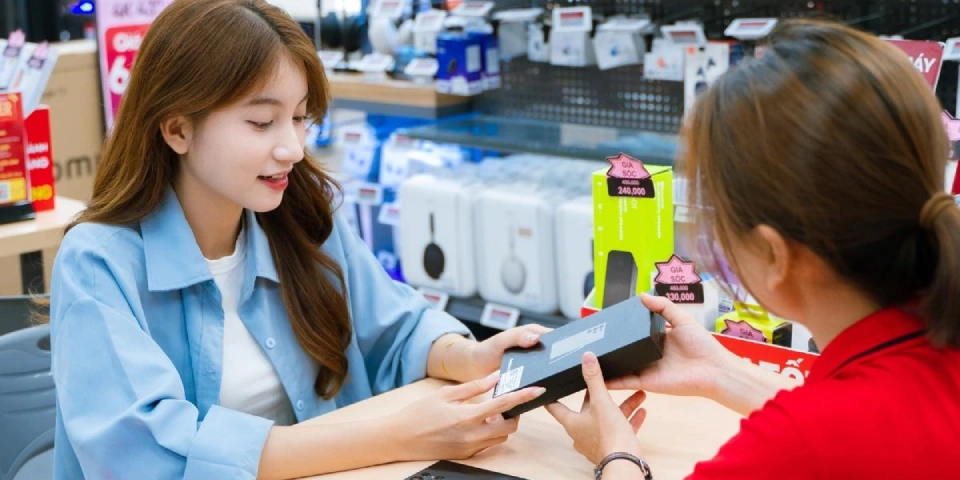
The offer has to be visible wherever the customer is: in store, online, at checkout. Burying it on a support page squanders the opportunity. The valuation has to stand up to comparison, and a vague or uncompetitive number sends customers to a competitor, often with their next purchase in tow. And the process needs to feel certain. Immediate gratification, clear valuations and an easy way to back out close the confidence gap.
Trade-in has moved out of the side-program category. Consumers are weighing it up before they walk into a store or open an app. The brands that get trade-in right first will have a clear advantage over those still treating it as an afterthought.