As AI shopping agents reshape how consumers discover and engage with brands, messaging is emerging as the most trusted, high-impact interface.
When it comes to remaining visible and preferred in today’s digital-first world, there’s no doubt that retailers should be addressing their customers on their mobile phones via mobile messaging – a place that used to be for quick notes among friends, that’s now catapulted itself into the single most powerful way to engage consumers.
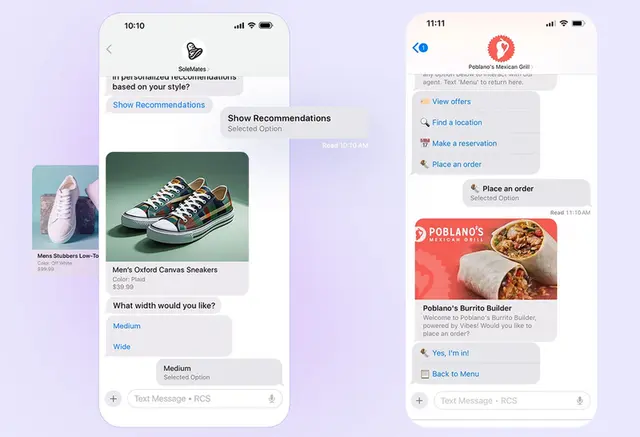
RCS, or Rich Communications Services, takes messaging to the next level by bringing enhanced, interactive, experiences typically found in a separate messaging app like WhatsApp or Facebook Messenger directly into a consumer’s trusted messaging app native to their phone.
RCS is run through a separate agent, and I like to say the easiest way to think of an RCS agent is to think of it as an “app that sends and receives RCS messages on your brand’s behalf”. The agent gets verified by Google and the wireless carriers, helping to elevate the legitimacy of a brand by giving your customers the confidence they’re talking to the brand they expect to be interacting with.
While RCS has been around as a messaging protocol since the early 2000s, it’s only just became available in the US, but it’s already taking off: Vibes customers already using the channel have seen as much as a 30% revenue boost vs. SMS, and this 2025 holiday season our retailers saw 22% more revenue/message from RCS vs. SMS. Now is the time for retailers to use it to truly transform their business because, at Vibes, we know that there are many digital channels that dominate consumers’ lives – but it’s messaging that will continue to dominate their attention.

Alex Campbell
Co-Founder and CIO, Vibes


Rich Communication Services (RCS): The MVP of Agentic Retail


Messaging has become the most powerful interface for retailers in an agent-first commerce world.
Alex Campbell
Co-Founder and CIO, Vibes